Benefits and Types of Roofing Shingles
Your roof replacement is one of the most significant investments you’ll make in your home. With benefits and types of roofing shingles varying widely in durability, cost, and performance, choosing the right option protects your family and your property for decades to come. Understanding different kinds of roof shingles helps you make confident decisions rather than feeling overwhelmed by options or pressured by contractors.
Whether you’re replacing an aging roof or addressing storm damage, knowing the shingle roof advantages and disadvantages of each material helps you find the best shingles for your home, your budget, and your long-term goals in Western North Carolina and Eastern Tennessee.
Understanding Asphalt Shingles
Asphalt shingles dominate the residential roofing market. This widespread popularity stems from their balanced combination of affordability, performance, and aesthetic variety.
These shingles consist of a fiberglass mat base coated with asphalt and topped with ceramic granules that provide color and UV protection. The construction creates a waterproof barrier that shields your home from rain, snow, and temperature extremes while reflecting harmful sun rays. Asphalt shingles offer homeowners practical protection without requiring the structural reinforcement that heavier materials like slate or tile demand.
The two main categories — architectural shingles and 3-tab shingles — serve different needs and budgets. Both protect your home effectively, but they differ significantly in construction, appearance, durability, and cost. Understanding these differences helps you select shingles that align with your home’s architectural style and your long-term investment goals.
Types of Asphalt Shingles
Choosing between shingle types requires understanding how construction methods affect performance and appearance.
3-Tab Shingles
These shingles feature a single-layer design with three uniform tabs that create a flat, consistent appearance across your roof. This straightforward construction makes them the most economical asphalt shingle option. The lightweight design simplifies installation and reduces labor costs, making it attractive for budget-conscious homeowners.
These shingles typically last 20 to 25 years, though lifespan varies based on climate conditions and installation quality. They work well for straightforward architectural styles where a clean, traditional roof appearance complements the home’s exterior. However, their single-layer construction offers less wind resistance and dimensional depth compared to architectural alternatives.
Architectural Shingles
Architectural shingles — also called dimensional or laminated shingles — consist of multiple layers of asphalt-coated fiberglass bonded together. This layered construction creates a textured, three-dimensional appearance that mimics the look of wood shake or slate roofing without the weight or maintenance requirements.
The enhanced construction delivers several performance advantages. These shingles typically last 30 years or longer and offer superior wind resistance, often withstanding winds up to 130 mph when properly installed. The dimensional appearance adds significant curb appeal, and homeowners can choose from a wide range of asphalt shingle colors that complement any home style.
While architectural shingles cost more initially than 3-tab options, their extended lifespan and enhanced durability provide better long-term value. Architectural asphalt shingles can be a top choice for homeowners.
Impact-Resistant Shingles
Homeowners in Western North Carolina and Eastern Tennessee face regular threats from hail and severe weather. Impact-resistant shingles address these concerns through specialized construction designed to withstand hail strikes without compromising roof integrity.
These shingles earn ratings through UL 2218 testing, which simulates hail impacts using steel balls dropped from specific heights. Shingles with a Class 3 impact rating are tested to resist damage from a 1.75-inch steel ball falling from a height of 17 feet, while Class 4 shingles — the highest rating — resist 2-inch steel balls dropped from 20 feet. In 2024, hail caused insured losses totaling $54 billion.
Many insurance companies offer premium discounts for homes with impact-resistant roofing, recognizing that these shingles reduce claim frequency and severity. For homeowners in hail-prone areas, the combination of protection and potential insurance savings makes impact-resistant shingles worth considering during roof replacement planning.
Benefits of Shingle Roofs
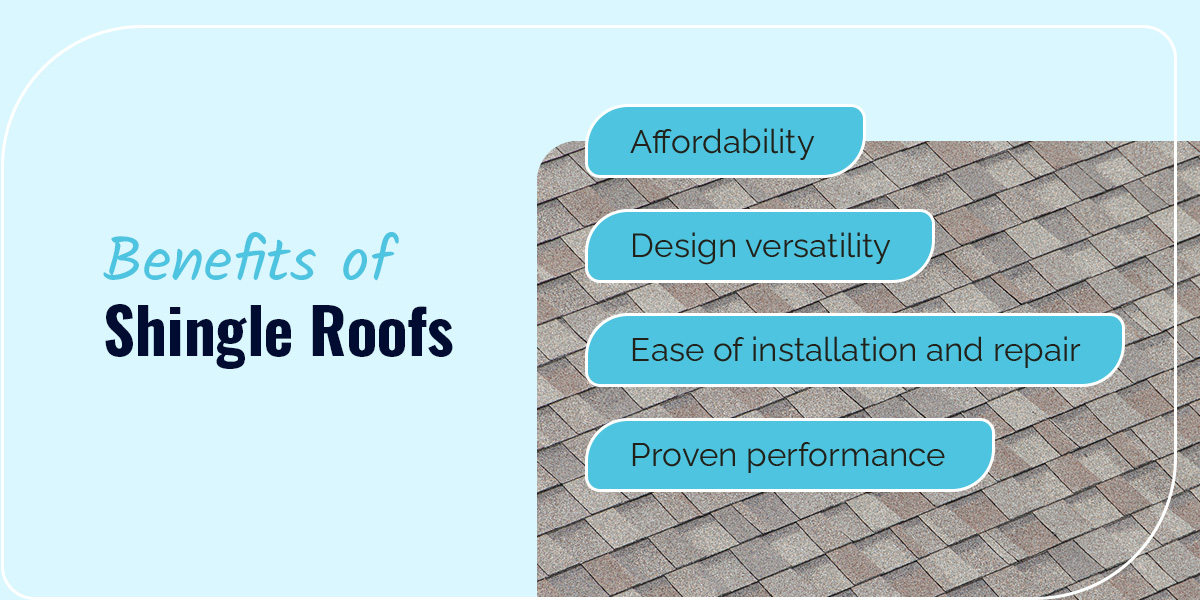
Asphalt shingles deliver multiple pros and cons. Let’s go through some of their advantages that explain their continued market dominance:
- Affordability: Shingle roofs represent one of the most cost-effective roofing solutions available. Homeowners typically pay $4.25 to $12.25 per square foot for asphalt shingle installation, significantly less than for metal, slate, or tile alternatives. This affordability extends beyond initial installation — repairs and maintenance cost less because materials are widely available and contractors familiar with shingle installation are easy to find.
- Design versatility: Shingles come in dozens of colors, textures, and styles. Whether your home features traditional, contemporary, or rustic architecture, shingle options exist to enhance curb appeal. Manufacturers continually develop new colors and patterns, giving homeowners flexibility to match existing aesthetics or create bold new looks.
- Ease of installation and repair: The straightforward installation process means qualified contractors complete shingle roof projects efficiently, minimizing disruption to your daily routine. When damage occurs, individual shingles can be replaced without disturbing surrounding areas. This targeted shingle repair approach saves time and money compared to roofing systems requiring more extensive intervention.
- Proven performance: Properly installed asphalt shingles protect homes effectively against rain, snow, wind, and UV radiation. Modern shingle formulations resist algae growth, prevent granule loss, and maintain flexibility across temperature extremes. When installed by certified professionals following manufacturer specifications, shingles deliver reliable protection throughout their expected lifespan.
Cost and Lifespan Considerations
Understanding the financial investment and longevity expectations helps homeowners make informed decisions about shingle roof options.
The cost of shingle roof replacement varies based on several factors. For a typical 2,000-square-foot home, homeowners can expect to pay several thousand dollars for asphalt shingle installation, including materials, labor, removal of old roofing, and disposal. Geographic location, roof complexity, and chosen shingle quality all influence final costs.
Shingle roof lifespan depends heavily on three factors. Climate conditions significantly impact how long shingles last — homes in moderate climates typically see longer shingle life than those in areas with extreme temperature fluctuations or frequent severe weather. Installation quality matters tremendously. Shingles installed by GAF Master Elite certified contractors following manufacturer specifications consistently outlast those installed by less qualified contractors who cut corners or ignore proper techniques. Finally, maintenance extends shingle life. Regular roof inspections identify small issues before they become expensive problems.
Many homeowners face the repair versus replacement decision as their roofs age. Minor damage affecting a small area often justifies repair, but when damage is widespread, or shingles have reached 75% of their expected lifespan, replacement typically provides better long-term value.
Professional installation makes the difference between a roof that meets its expected lifespan and one that fails prematurely. GAF Master Elite certification — earned by fewer than 2% of roofing contractors nationwide — signifies factory training, adherence to strict installation standards, and proven expertise. These contractors understand proper ventilation, underlayment installation, flashing techniques, and shingle application methods that maximize your roof’s performance and warranty protection.
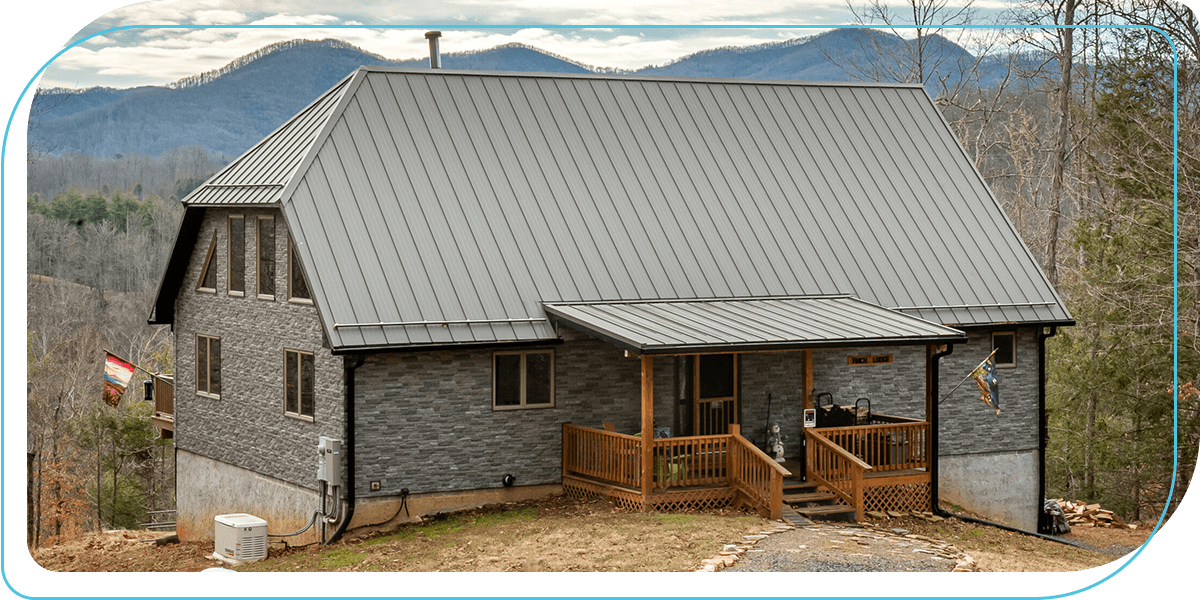
Homeowners considering different roofing materials should also evaluate metal roofing as an alternative. While metal roofs cost significantly more initially, their 40-80 year lifespan and minimal maintenance requirements appeal to homeowners making long-term investment decisions.
Choose the Right Shingles With Expert Guidance
Understanding the benefits of shingle roofs and comparing different types of roofing shingles is the first step toward protecting your home. The next step is partnering with a contractor who will install your roof correctly the first time.
Pisgah Roofing brings GAF Master Elite-certified expertise to every project in Western North Carolina and Eastern Tennessee. Our transparent approach means you’ll understand your options, receive accurate quotes, and work with professionals who always call you back. We don’t just install shingles — we protect your home with quality craftsmanship backed by industry-leading warranties.
Ready to explore your shingle roof options? Call (844)7663-7663 to schedule your free inspection today.
Popular Posts
Benefits and Types of Roofing Shingles

Marley Howard