Storm Wind Roof Damage Repair
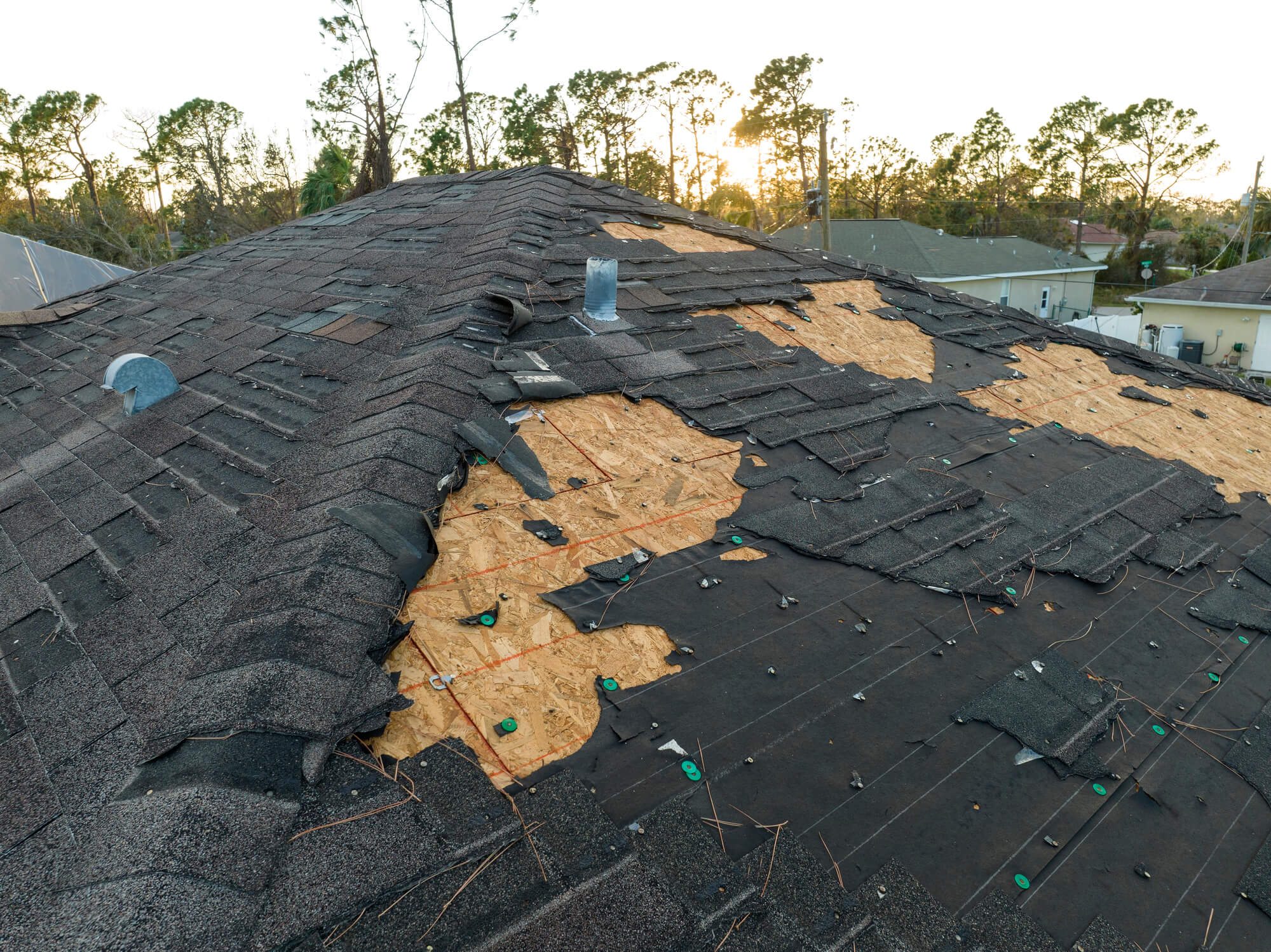
Residential Storm Wind Roof Damage
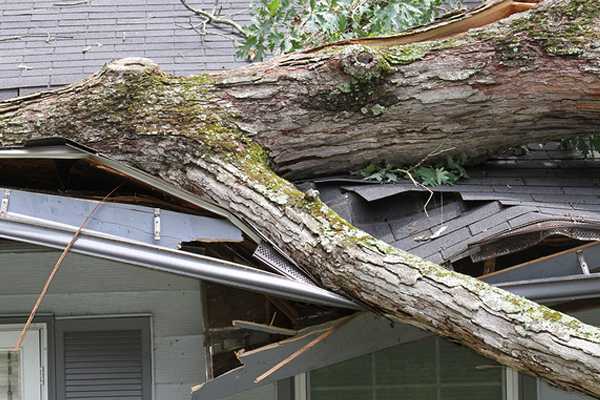
High winds can damage your roof in many ways, such as missing shingles, falling trees, or gutter problems. It is best to seek help from a roofing professional. If you live in Western North Carolina, Eastern Tennessee, or Knoxville Tennessee, call Pisgah Roofing.
How To Spot Storm Roof Damage
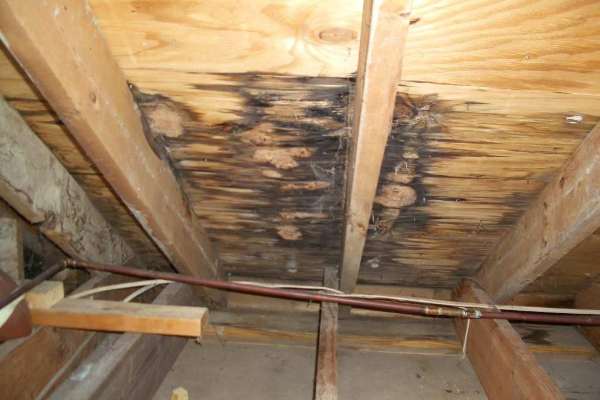
This is one of the easiest ways to find storm roof damages. This is because it causes water to leak into the area of the house where it should not be.
Check the top floor or attic for water or wet spots that might be dripping from your ceiling. If you find any, make sure to contact a roofing expert immediately!
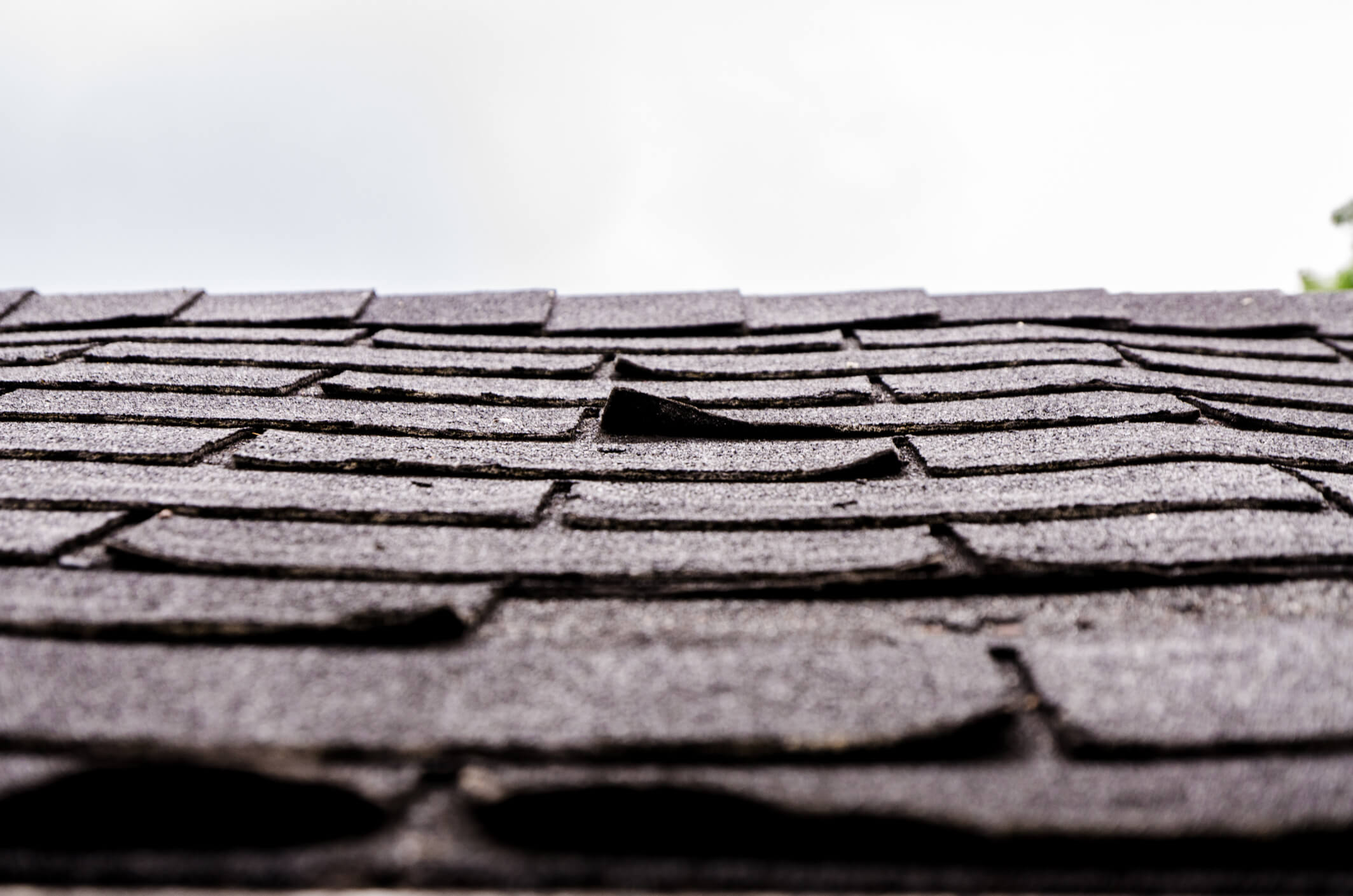
This type of wind damage is often difficult to find unless you are actually trying to look for them. Shingles look fixed and unbroken from the ground. However, the loosened nails lift the shingles up. This may potentially break the sealant between the layers. The more broken or damaged your shingles are, the higher the chances they will have to leak.
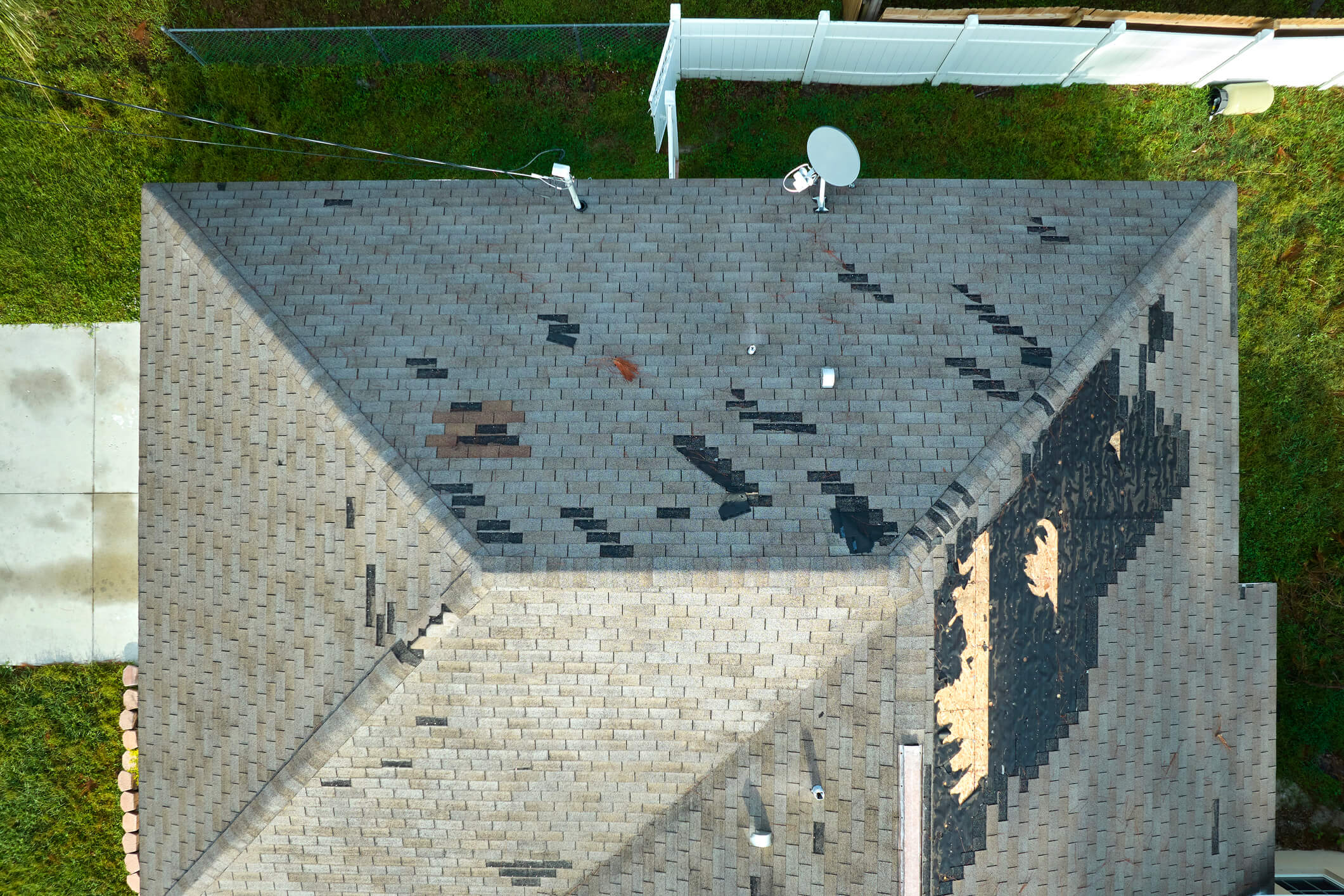
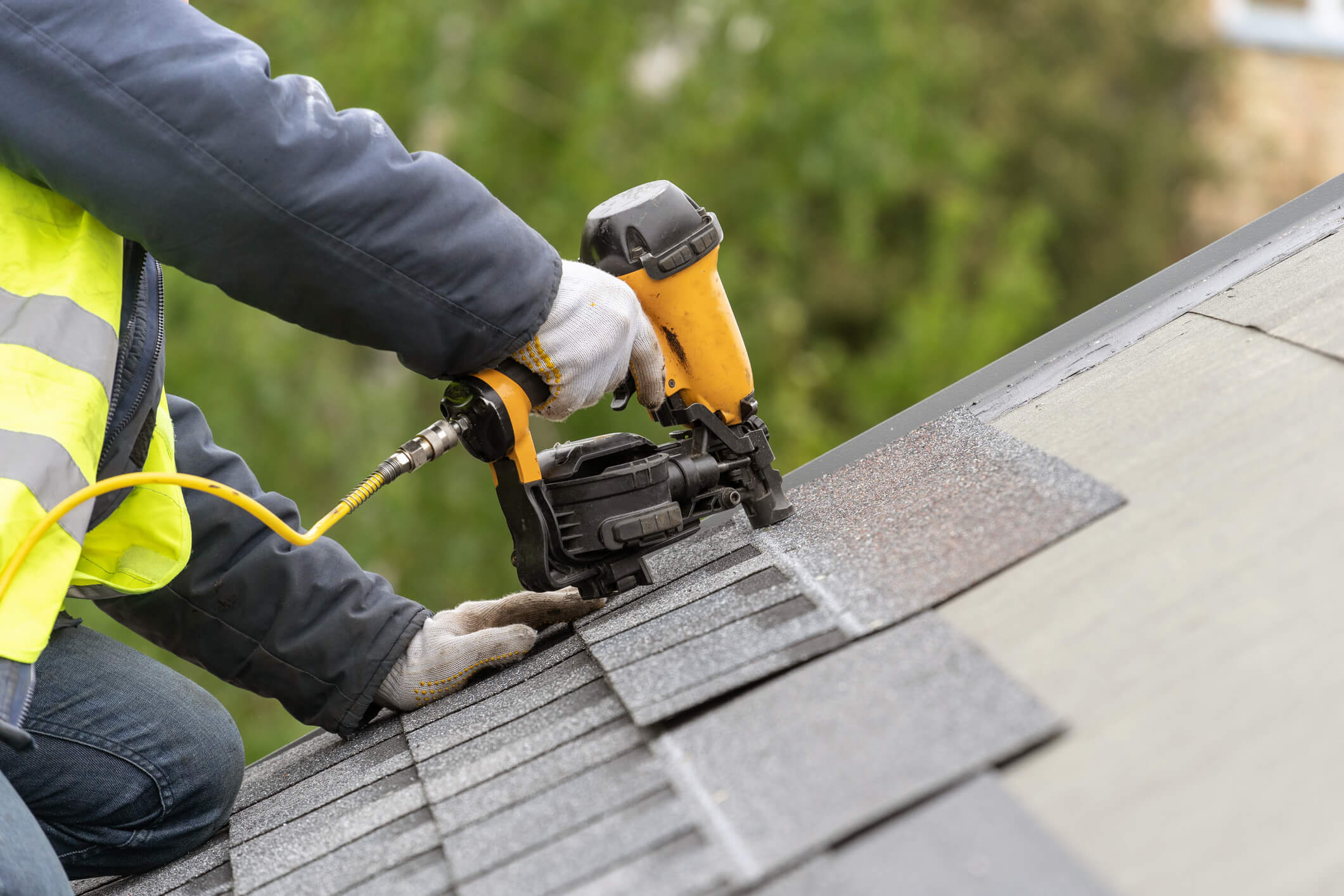
Heavy rain, strong winds, or falling tree twigs pull off the shingles. These missing shingles should be replaced immediately. Missing shingles might seem like a small issue, but they can lead to serious damage and costly repairs if not addressed quickly. Without shingles to protect it, your roof’s underlayment and decking are exposed to rain, snow, and moisture, which can cause leaks, rot, and interior water damage over time.
Hail Roof Damage
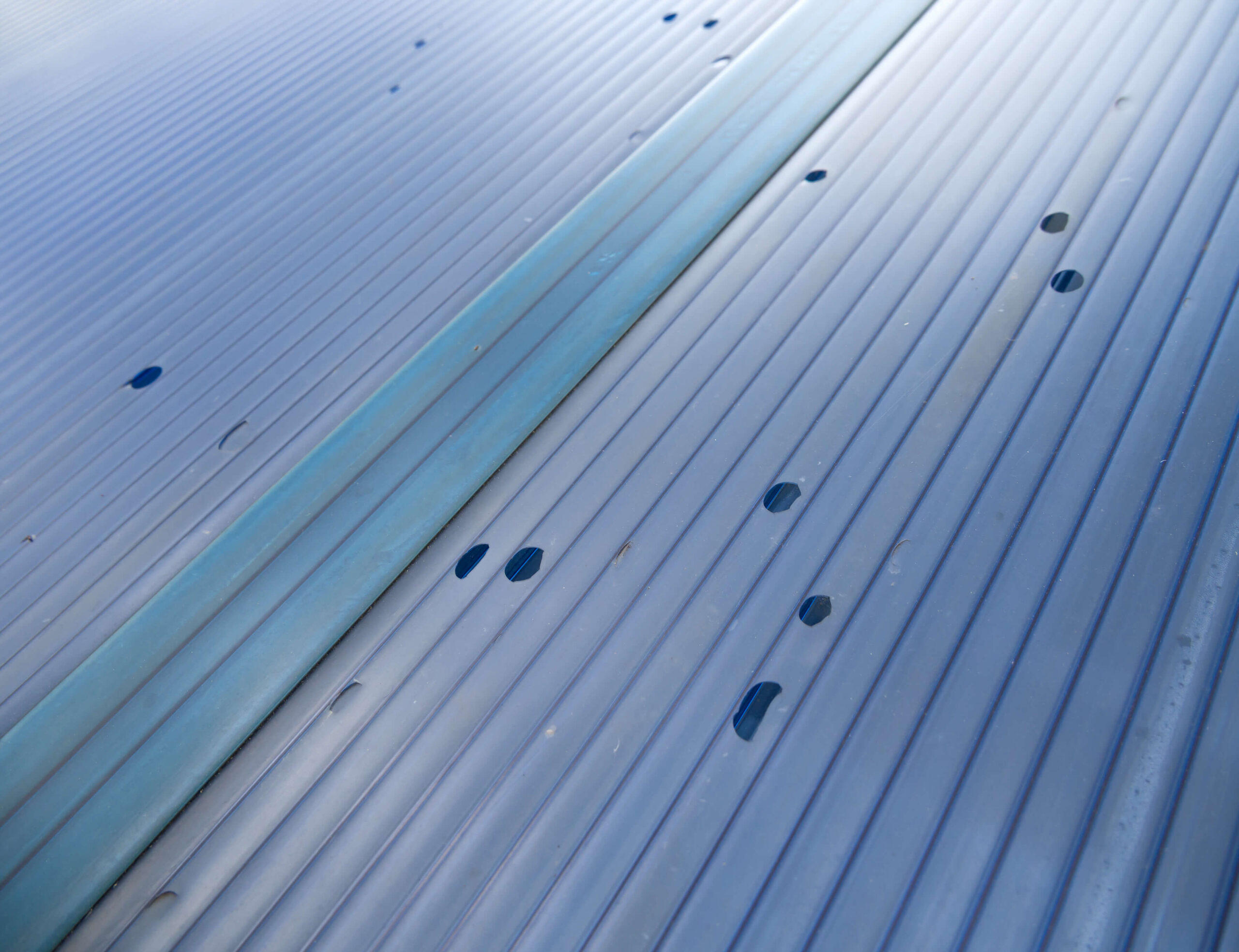
Typically, you can’t get lucky and have a hailstorm miss your roof. Hail is a widespread storm and not isolated to just one block in your neighborhood. Hail bruises shingles and causes indentation that is often hard to spot. However, this indentation is powerful enough to crack your shingles and allow water to infiltrate your ceiling slowly over time.
It’s best to hire the services of a professional roofing expert to determine the degree of damage to your roof. It is important to note that if your roof experiences hail damage, you can file for insurance coverage for the repair.
If the hailstorm was severe and left your roof completely damaged, you can call a roofing contractor who specializes in “hailstorm roof repair” to evaluate and fix the damages. However, file an insurance claim prior to completing repairs.
Types of Hail Damage
Impacts & Marks
- Granule loss at point of impact exposing bitumen on shingles (dark black spots). Cracks in the granule-asphalt will expose roof felt. Exposed fiberglass mat where hail shattered the surface.
Collateral Damage
- Dents to gutter and downspouts. AC condenser damaged. Window screens ripped or torn. Dents to automobiles.
Cracks In Shingles
- Hailstorms can cause cracks in your asphalt shingles. If you ignore these cracks, it may lead to severe water leakage.
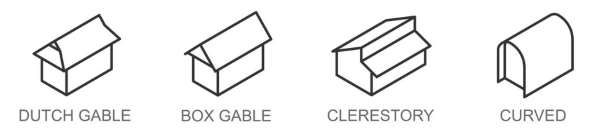
Types Of Roofs We Work On
 |
 |
 |
 |
High winds hit your roof surface at different speeds. It is particularly dangerous for the edges, corners, and ridgelines of your roof as they are prone to the damages from high-speed winds. This may leave your roof exposed from damaged areas, which leads to roof leaks.
Another significant danger of high-speed winds or other windstorms to the rooftop is “lifting.” Shingles look intact and fixed when you see them from the ground. But when high-winds come up over your roof, they create an intense suction effect. This lifts shingles slightly upwards. This happens because winds loosen the nails that hold down shingles.
It does not stop there. When there is a gap between shingles, the sealant between layers breaks and leads to roof leaks. High winds can also blow debris and may lead to fallen limbs and trees around the property to fall on your rooftop. Remember that falling limbs and trees can destroy or puncture your roof or shingles. Make sure that you cut down overhanging trees and limbs on your rooftop before a windstorm.
Roof Damage Covered By Insurance
Whether your roof needs minor repairs or a complete replacement, it’s an inconvenience for all homeowners. When it comes to placing an insurance claim for those repairs to be covered by insurance, that’s another daunting process in itself.
This is because many homeowners do not know how they can file a claim, what documentation they need, or even what is actually covered in their homeowner’s insurance policy. The best way to find out what your insurance policy covers is to consult a professional insurance provider.
Your insurance policy typically covers damages from extreme weather conditions or “Natural disasters” like tornadoes, hurricanes and severe hailstorms. Similarly, the homeowner insurance policy also covers roof damages from moderate weather incidents/events such as wind and rain related damages.
Pisgah Roofing has experience working with all insurance companies in Western North Carolina, Eastern Tennessee, and Knoxville Tennessee. Call us today and we will work with your adjuster to make sure all repairs are covered and properly completed quickly to get you back into your home.
Frequently Asked Questions on Wind Damage Repair
One of the easiest ways to find storm roof damage is to look for roof leaks, lifted shingles, or missing shingles. Check the top floor or attic for water or wet spots that might be dripping from your ceiling. If you find any, contact a roofing expert immediately. You should also inspect your roof from the ground for visible missing shingles, lifted edges, or debris damage. However, some storm damage like hail bruises and indentations can be hard to spot from the ground, so a professional inspection is recommended after any significant storm.
Hail can cause several types of damage to your roof. Hail bruises shingles and causes indentation that’s often hard to spot but powerful enough to crack shingles and allow water to infiltrate your ceiling slowly over time. Types of hail damage include impacts and marks, granule loss at the point of impact exposing the bitumen (dark black spots), cracks in the granule-asphalt that expose roof felt, and exposed fiberglass mat where hail shattered the surface. Hail can also cause collateral damage to gutters, downspouts, AC condensers, and windows. If you ignore hail-caused cracks in your asphalt shingles, it may lead to severe water leakage.
High winds hit your roof surface at different speeds and are particularly dangerous for the edges, corners, and ridgelines of your roof as they are prone to damage from high-speed winds. Winds create an intense suction effect that lifts shingles slightly upward by loosening the nails that hold them down. When gaps form between shingles, the sealant between layers breaks, leading to roof leaks. High winds can also blow debris and cause fallen limbs and trees to land on your roof, potentially destroying or puncturing shingles. It’s important to trim overhanging trees and limbs before a windstorm to prevent this damage.
Your homeowner’s insurance policy typically covers damages from extreme weather conditions or “natural disasters” like tornadoes, hurricanes, and severe hailstorms. It also covers roof damages from moderate weather incidents such as wind and rain-related damage. However, the best way to find out what your specific insurance policy covers is to consult with your insurance provider. Pisgah Roofing has experience working with all insurance companies and can help you navigate the claims process to ensure all repairs are covered and properly completed.
If you suspect storm damage to your roof, contact a professional roofing contractor immediately to evaluate and assess the damage. If the damage is covered by your insurance policy, file an insurance claim prior to completing repairs. Pisgah Roofing specializes in storm damage repair and works with your insurance adjuster to make sure all repairs are covered and properly completed quickly, so you can get back into your home. We have experience working with all insurance companies in Western North Carolina, Eastern Tennessee, and Knoxville Tennessee.
Why Choose Pisgah Roofing?
- A+ BBB Rating
- Hundreds of 5-star reviews
- Always call you back promise
- Free inspections & estimates
- We’re a local business
- GAF Master Elite Certified
- Local community supporter
- NRC Association Member
- NARPM Member
- Enhanced Lifetime Roofs
We’re Here to Help
We’d love to hear from you! Whether you have a question, need assistance, or just want to say hello, our team is here to help.
Get In Touch
-
Asheville Office
1302 Patton Ave Suite 40,
Get Directions Asheville (828) 424-7112
Asheville, NC 28806
Monday – Saturday: Open 24 Hours -
Johnson City Office
4704 N. Roan St Suite 4,
Get Directions Johnson City (423) 930-9066
Johnson City, TN 37615
Monday – Friday: 8 am – 5 pm -
Knoxville Office
(865) 317-6633
Complete the form or give us a call today.